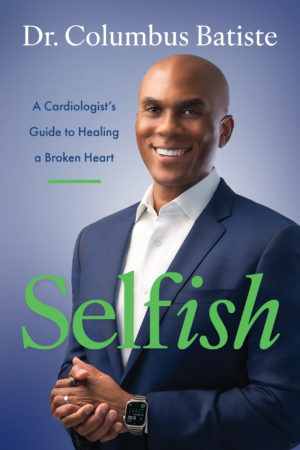


I’ve spent decades as a cardiologist watching women navigate one of life’s most misunderstood transitions, and I need to share something with you: menopause doesn’t have to be the villain in your story. Yes, when estrogen plummets, it can feel devastating—your energy vanishes, your body seems to rebel, sleep becomes a luxury, and those hot flashes hit like unexpected storms.
But here’s what twenty years of cardiac medicine has taught me: your body isn’t betraying you—it’s asking for different support. The SELFISH plan I’ve developed isn’t just another wellness program. It’s a science-based roadmap that honors what your changing body needs while helping you reclaim your vitality. Spirituality, Exercise, Love, Food, Intimacy, Sleep, Humor—these aren’t just nice ideas, they’re your toolkit for not just surviving this transition, but emerging stronger than before.
S — Spirituality: Calming the Inner Fire
When you’re stressed, your hypothalamus—your body’s thermostat—gets confused and triggers those miserable hot flashes. Elevated cortisol and adrenaline create inflammation and insulin resistance, making every symptom worse.
But when you practice prayer, meditation, or deep breathing, you activate your “rest and repair” mode. This stimulates your vagus nerve, sending a direct message to your brain: “We’re safe. We can relax now.” Lower cortisol means better sleep, less emotional eating, and fewer hot flash triggers.
Try this today: Find a quiet spot and practice diaphragmatic breathing for 5-10 minutes. Breathe in for 4 counts, exhale for 6 counts. This rhythm maximizes stress hormone reduction.
E — Exercise: Movement as Medicine
Exercise during menopause isn’t punishment—it’s medicine. Cardiovascular exercise increases nitric oxide production, which is like WD-40 for your blood vessels, helping with temperature regulation. Strength training stimulates muscle protein synthesis and increases insulin sensitivity, fighting that metabolic slowdown when estrogen drops.
Here’s what excites me as a cardiologist: exercise boosts brain-derived neurotrophic factor (BDNF)—fertilizer for your brain that protects neurons and improves mood. Plus, physical activity increases your remaining estrogen receptors’ sensitivity, helping your body squeeze every benefit from the estrogen you still have.
My prescription: 30 minutes of moderate activity most days, plus resistance training twice weekly. This optimizes cardiovascular health and metabolic function while preserving lean muscle mass.
L — Love: Positive Social Chemistry
Forgiveness, gratitude, and service aren’t just nice ideas—they’re neurochemical game-changers. These practices release oxytocin and endorphins, directly counteracting stress hormones and lighting up your brain’s reward centers.
Chronic stress and isolation increase inflammatory cytokines, worsening menopausal symptoms and cardiovascular risk. But loving behaviors trigger serotonin and dopamine release, improving sleep and reducing pain. Oxytocin even has a direct cooling effect and can reduce hot flash frequency.
Your challenge: Write three specific gratitudes, consciously forgive one grievance, and plan one act of service. These create positive neurochemical cascades lasting hours.
F — Food: Optimize Your Hormones
Plant foods contain phytoestrogens—natural compounds that weakly activate estrogen receptors when your own estrogen is low. Think of them as estrogen’s supportive cousins stepping in to help. Fiber feeds beneficial gut bacteria, producing compounds that reduce inflammation and improve insulin sensitivity.
Soy deserves special attention. Its isoflavones have dual action: when estrogen was high, they acted as weak blockers. Now that estrogen is low, they provide mild estrogen-like effects. A 12-week study showed women eating low-fat plant foods with daily soy experienced significant hot flash reduction and weight loss.
Let’s be honest about alcohol—it’s like throwing gasoline on fire during menopause. It triggers hot flashes through blood vessel widening, disrupts REM sleep, increases cortisol, and promotes belly fat storage.
Try this: Create a soy power bowl with brown rice, edamame or organic tofu, colorful vegetables, avocado, and lime.
I — Intimacy: Strengthen Social Support
Strong connections release oxytocin and reduce cortisol. Loneliness triggers inflammation, making symptoms worse. When you feel supported, your nervous system shifts from “threat detection” to “safety and repair” mode, allowing energy for healing rather than stress response.
Today’s goal: Schedule meaningful face-to-face time with someone supportive. Physical presence maximizes oxytocin release compared to digital communication.
S — Sleep: Restore Your Repair Systems
During deep sleep, your body produces growth hormone for muscle and bone maintenance. Poor sleep disrupts hunger hormones, leading to cravings, and increases inflammation and cortisol—both triggering hot flashes and promoting belly fat.
Sleep protocol:
- Cool environment (60-67°F)
- Complete darkness for melatonin production
- Avoid screens 3 hours before bed
- Use relaxation techniques
H — Humor: Natural Healing Chemistry
Laughter releases endorphins, reduces stress hormones, and boosts immune antibodies. It increases oxygen-rich blood flow and provides benefits similar to mild exercise. Your brain releases dopamine, serotonin, and endorphins—natural chemicals that reduce pain and make healthy behaviors more rewarding.
Daily prescription: Spend 5 minutes with something genuinely funny.
Understanding Your Changing Cholesterol
Estrogen normally maintains healthy cholesterol by increasing good HDL and enhancing liver function. When estrogen drops, total cholesterol often rises and HDL becomes less effective at protecting arteries. This is why cardiovascular risk increases significantly during menopause—it’s not just about HDL quantity, but how well it functions.
Why Limit Alcohol
Alcohol interferes through multiple mechanisms: it rapidly widens blood vessels triggering hot flashes, suppresses REM sleep causing night sweats, disrupts metabolism promoting visceral fat, and interferes with your hormonal axis.
The Science Behind SELFISH
This isn’t wishful thinking—it’s evidence-based medicine. The Dastmalchi study in JACC Advances (2025) provides comprehensive cardiovascular risk analysis during menopause. The SWAN Study demonstrates that HDL functionality determines heart protection. Kahleova’s trial in Menopause (2025) showed significant hot flash reduction and weight loss through plant-based nutrition with soy in just 12 weeks.
Remember, this educational content complements, not replaces, individualized medical care. Work closely with your healthcare team while implementing these strategies.
You’ve got this, and I’m cheering you on every step of the way.
With warm regards,
Dr. Columbus Batiste