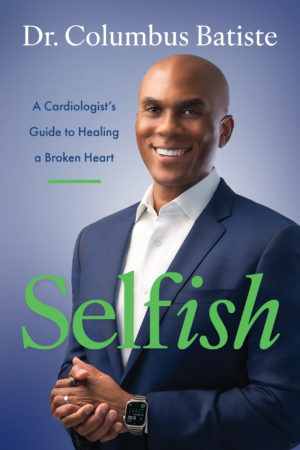


Peptides are everywhere right now.
They are on podcasts, in wellness clinics, all over social media, and more and more in the news. They are being sold for testosterone, erections, fat loss, muscle, brain fog, Alzheimer’s prevention, and a longer life. That makes June a good time to talk about them, because June is both Men’s Health Month and Alzheimer’s and Brain Awareness Month. (Men’s Health Month)
As a cardiologist, I understand why men are paying attention. A man hears that a shot might boost his energy, raise his testosterone, help his sex life, build muscle, burn fat, fix his sleep, heal an injury, or protect his brain—and suddenly it sounds like the fountain of youth in a syringe.
But this is where we need wisdom.
Peptides are real science. They are short chains of amino acids that work like tiny messengers in the body. You already make peptides every day. Insulin is one. So is the gut hormone behind weight-loss drugs like Ozempic. Even some of the blood tests I use to check for heart failure are measuring peptides. And a few peptide medicines are powerful, proven tools. Semaglutide—the drug in Ozempic and Wegovy—is one. In a large study called SELECT, it cut serious heart problems like heart attacks and strokes by 20% in people who were overweight and already had heart disease, even when they did not have diabetes. (SELECT Trial)
That is the difference between medicine and marketing.
An FDA-approved drug has been through strict testing: how it is made, how it is dosed, whether it is safe, and whether it actually helps people in real trials. Many of the longevity peptides sold online have not. The FDA has flagged safety problems with several mixed, or “compounded,” peptides—including immune reactions, impurities, and very little human safety data. Some have even caused a racing heart and a sudden drop in blood pressure. (U.S. FDA) The American Medical Association has also warned that injectable peptides sold by gray-market sellers can be contaminated, poorly sourced, badly dosed, and used with no medical oversight at all. (American Medical Association)
Now let’s connect this to men’s health.
When men hear about peptides for testosterone, sex, muscle, or belly fat, they often assume the problem is hormones. But trouble with erections, low energy, weight gain around the middle, and fading performance can be early warning signs of something deeper—trouble in the blood vessels and in the way the body handles blood sugar. The arteries that feed the penis, the heart, and the brain all run on the same biology: good blood flow, healthy vessel walls, low inflammation, and steady blood sugar. A peptide may promise better performance. But we still have to ask the real question: what is happening to your arteries?
Now let’s connect this to Alzheimer’s disease.
The wish to protect the brain is real. In 2026, about 7.4 million Americans age 65 and older are living with Alzheimer’s, and roughly 1 in 9 people in that age group has it. Almost two-thirds of them are women. (Alzheimer’s Association) So when someone sells a peptide for “brain fog” or Alzheimer’s prevention, people listen. But hope is not the same thing as proof. The brain is too precious to gamble on unapproved shots with unknown purity and unknown long-term effects.
Here is the part most people miss: the same things that harm the heart often harm the brain. High blood pressure, diabetes, obesity, smoking, sitting too much, poor sleep, depression, and loneliness all show up in research on preventing dementia. In 2024, a major report from the Lancet Commission found that managing risk factors like these could prevent or delay a large share of dementia cases. (The Lancet)
So before we chase a peptide for a longer life, we have to ask a harder question: are we already doing the things proven to protect the arteries, the metabolism, and the brain?
That brings us back to real food.
Whole plant foods are not as flashy as a syringe, but they are the foundation. Beans, lentils, soy, whole grains, berries, greens, nuts, seeds, herbs, and spices give you fiber, minerals, antioxidants, and natural plant compounds. Together these help control blood pressure, blood sugar, and inflammation, keep blood vessels healthy, and even support your body’s own appetite hormones. There is even a neat twist: when you digest plant proteins, they break down into tiny peptides of their own, and early research hints that some may act a little like a common blood pressure medicine. But I will hold that idea to my own standard—the research is early, and it is no substitute for real, proven results. The point is not that your dinner is a drug. The point is that the most studied, lowest-risk way to protect your heart and brain has been sitting on your plate the whole time.
My message this June is simple: do not let the peptide trend pull you away from the plate.
If a peptide is FDA-approved, prescribed for a clear reason, watched by a doctor, and backed by real results, that is a medical conversation worth having. But if it is being sold as a shortcut to testosterone, Alzheimer’s prevention, bigger muscles, or a longer life—with little human proof—slow down.
Real food is still the goal. Real movement. Real sleep. Real relationships. Less stress. Real heart protection.
Because a longer life is not just about adding years.
It is about adding life to your years—and protecting the heart and brain that carry you through them.
Annotated References
- Men’s Health Month / Alzheimer’s & Brain Awareness Month. June creates a natural bridge between men’s health, brain health, prevention, and longevity. (Men’s Health Month)
- FDA Safety Concerns on Compounded Peptides. Cautionary source noting limited safety data, impurity concerns, immune-reaction risk, and cardiovascular-type reactions with certain compounded peptide substances. (U.S. FDA)
- American Medical Association Guidance on Injectable Peptides. Patient-facing warning about gray-market peptide risks, including contamination, sourcing, dosing, and lack of medical oversight. (American Medical Association)
- SELECT Trial / GLP-1 Cardiovascular Outcomes. Shows that some peptide-based therapies are legitimate, evidence-based medicines with proven cardiovascular benefit. (SELECT Trial)
- Alzheimer’s Disease Facts and Figures, 2026. Source for the 7.4 million prevalence figure, the 1-in-9 statistic, and the finding that nearly two-thirds of those affected are women. (Alzheimer’s Association)
- Lancet Commission on Dementia Prevention, 2024. Supports the heart-brain prevention frame by emphasizing modifiable risk factors such as high blood pressure, diabetes, obesity, smoking, sleep, depression, and social isolation. (The Lancet)