

We all know the story: Superman draws his strength from Earth’s yellow sun. In its glow, he transforms from mild-mannered Clark Kent into a beacon of power, resilience, and hope. But what if I told you we all have a bit of Superman in us? That sunlight—when used wisely—isn’t just warming our skin, but fueling our minds, hearts, and immune systems?
The truth is, sunlight is a powerful natural prescription. Too little, and we risk depression, heart disease, and weakened immunity. Too much, and we invite the dangers of skin cancer and premature aging. Like Superman, we need just the right amount of exposure to unlock our inner strength.
The Light That Lifts the Mind
Step outside into the morning sun, and you might feel something shift. That’s not coincidence—it’s chemistry. Sunlight triggers the release of serotonin, a neurotransmitter that boosts mood, calmness, and focus. It also helps regulate your circadian rhythm by suppressing melatonin during the day and allowing it to rise at night.
Large-scale studies involving over 85,000 people have found that daytime sunlight exposure—especially in the summer—significantly improves mental health, reducing symptoms of depression and anxiety. That’s why light therapy using 10,000-lux lamps is a gold-standard treatment for Seasonal Affective Disorder (SAD), a type of winter-triggered depression.
But the benefits of light don’t stop there. Sunlight also helps our bodies produce vitamin D, a hormone-like compound involved in over 200 biological processes. A major review of 25 randomized controlled trials found that vitamin D supplementation significantly reduced depressive symptoms—especially in those who were deficient.
Heart Health: Illuminated by the Sun
Now let’s talk about your heart—because sunlight shines there, too.
Exposure to UV rays prompts your skin to release nitric oxide, a natural compound that relaxes blood vessels and lowers blood pressure. One study from the University of Edinburgh revealed that just 20 minutes of UV exposure reduced participants’ blood pressure immediately, with effects lasting up to 30 minutes afterward.
Even blue light—a specific band of sunlight—has been shown to reduce systolic blood pressure by nearly 8 mmHg, improve arterial flexibility, and increase nitric oxide levels. That’s a bigger drop than some medications can provide.
More importantly, these aren’t just short-term effects. Nitric oxide continues to be released for up to 72 hours after exposure. It’s like receiving a time-release capsule of cardiovascular support—straight from the sun.
Sunlight and Your Immune System: A Radiant Regulator
Sunlight doesn’t just lift your mood and lower your blood pressure—it also fine-tunes your immune system.
Controlled UV exposure has been shown to suppress overactive immune responses—the kind that contribute to autoimmune diseases like multiple sclerosis. It does this by preventing immune cells from causing harm, keeping them “trapped” in the lymph nodes, and supporting the development of regulatory T-cells.
Meanwhile, vitamin D—synthesized by the skin with the help of UVB light—plays a powerful role in strengthening our first line of defense. It helps white blood cells recognize and destroy pathogens, enhances antimicrobial peptides like cathelicidin, and balances inflammation to prevent damage to healthy tissues.
The Kryptonite: When Sunlight Turns Harmful
But let’s not forget—Superman had kryptonite, and our sunlight has its risks, too.Overexposure to UV radiation remains the leading cause of skin cancer, contributing to up to 80% of cases. It also causes DNA damage, premature aging, eye disorders like cataracts, and may even reduce vaccine effectiveness if immune suppression is prolonged.
That’s why balance is key. According to most health guidelines, 5–15 minutes of sun exposure on your arms, face, or legs, 2–3 times per week, is enough to support vitamin D production in most individuals without raising your cancer risk. Always avoid peak UV hours (10 a.m. to 4 p.m.), wear protective clothing, and use SPF 30 or higher when needed.
How to Harness Your Sunlight Superpower
Like Superman stepping into the sun, we thrive when we expose ourselves wisely. Here’s your safe sunlight prescription:
- 🌞 Time it right: Morning or late afternoon sun is best.
- 🕶️ Protect your skin: Use SPF and shade when out longer than 15 minutes.
- 🧴 Moisturize, don’t marinate: Sunscreen is your suit of armor.
- 🍽️ Supplement smartly: Consider dietary vitamin D, especially in winter or for darker-skinned individuals.
- 🧠 Get outdoors regularly: Sunlight, movement, and nature—triple therapy for stress and longevity.
Conclusion: Get Sunlight, Get Selfish
Sunlight is not just a luxury—it’s a necessity. In moderation, it’s medicine for your mood, a massage for your blood vessels, and a maestro for your immune system. But just like Superman, we must learn to use our powers wisely.
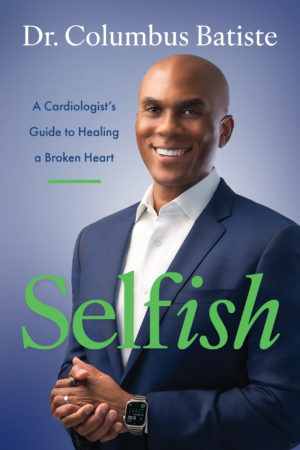
So today, I encourage you: Get Selfish. Step outside. Soak in the light. Not too much, not too little. Just enough to remind yourself that your health is worth protecting—and your heart, like Superman’s, was made to shine.
References
- Obayashi K, et al. Journal of Affective Disorders. 2022;312:30–37.
- Mayo Clinic. “Seasonal Affective Disorder Treatment.” 2023.
- Vellekkatt F, Menon V. Psychiatry Research. 2019;272:469–473.
- Liu D, et al. Journal of Investigative Dermatology. 2014;134(7):1839–1846.
- Al-Attar N, et al. European Journal of Preventive Cardiology. 2018;25(2):143–149.
- Feelisch M, et al. Proceedings of the National Academy of Sciences. 2014;111(17):6571–6576.
- Hart PH, et al. Nature Reviews Rheumatology. 2011;7(9):551–560.
- Aranow C. Journal of Investigative Medicine. 2011;59(6):881–886.
- World Health Organization. “Radiation: Ultraviolet (UV) Radiation and Skin Cancer.”
- Holick MF. The New England Journal of Medicine. 2007;357(3):266–281.