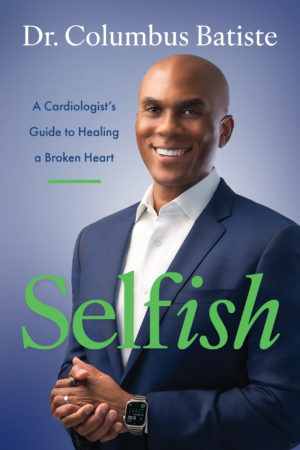


What a heart doctor sees in the 2025 data
If you scroll social media, you might think plant-based eating is finished. Big influencers are “quitting vegan,” acting like the whole movement was a nutritional mistake.
But I’m an interventional cardiologist. I don’t chase trends—I follow evidence. I treat outcomes, not opinions.
And when I review the 2025 research, the message couldn’t be clearer: A healthy plant-based pattern built on whole foods shows powerful benefits for preventing chronic disease.
The real problem isn’t plants. The real problem is ultra-processed food—even when it’s wearing a “plant-based” label.
The Scary “Why Now”: Diabetes and Heart Disease Are Surging
Here’s the forecast that should alarm every American:
By 2050, experts project:
- Diabetes prevalence will jump from 16% to 27% of U.S. adults
- Hypertension will climb from 51% to 61%
- Overall cardiovascular disease (including high blood pressure) could affect more than 61% of adults¹
This isn’t the moment to abandon food as medicine. This is the moment we need it most.
What 2025 Research Says About Plant-Based Eating and Diabetes
A major 2025 meta-analysis in the British Journal of Nutrition analyzed multiple studies and found:²
- Vegan dietary patterns: 35% lower risk of type 2 diabetes (RR 0.65)
- Lacto-ovo vegetarian patterns: 32% lower risk (RR 0.68)
- Healthy plant-based diet index (emphasizing whole plant foods): 24% lower risk (RR 0.76)
This isn’t hype. This is consistent, reproducible science across populations.
Plant-Forward Eating Protects Your Brain Too
The landmark U.S. POINTER trial, published in JAMA in 2025, tested whether lifestyle intervention could improve cognitive function.³
The multi-domain program included:
- Structured exercise
- Brain-healthy eating (MIND diet pattern)
- Cognitive training and social engagement
- Health monitoring
The result? Cognition improved significantly over two years, with the structured intervention outperforming self-guided approaches.
When critics say “plant-based is dead,” the brain research says otherwise.
The Real Villain: Ultra-Processed Foods
Here’s where the plot thickens. A 2025 meta-analysis published in Metabolism revealed:⁴
- Highest UPF intake: 24% higher diabetes risk (HR 1.24)
- Every 10% increase in ultra-processed food consumption: 13% higher diabetes risk (HR 1.13)
The American Heart Association doubled down in 2025 with a Science Advisory stating that ultra-processed foods consistently correlate with worse cardiometabolic health—and reducing them should be a public health priority.⁵
Here’s the truth bomb: When someone says they “felt worse” on plant-based eating, I usually discover they went plant-based ultra-processed, not plant-based whole food.
There’s a Grand Canyon of difference between eating beans and vegetables versus eating vegan cookies and fake meat every meal.
Butter vs. Plant Oils: A Simple Swap with Major Impact
A 2025 study in JAMA Internal Medicine tracked thousands of people and found:⁶
- Highest butter consumption: 15% higher mortality risk (HR 1.15)
- Highest plant oil intake: 16% lower mortality risk (HR 0.84)
- Substitution effect: Replacing about 10g/day of butter with plant oils linked to approximately 17% lower mortality
This is what I call a “small change, big ripple” intervention. The kind that saves lives without requiring perfection.
What About GLP-1 Medications?
GLP-1 receptor agonists (Ozempic, Wegovy, Mounjaro) can support weight loss and metabolic health. But they’re not a free pass to ignore nutrition.
These medications come with real challenges:
- Gastrointestinal side effects
- Risk of nutrient deficiencies when appetite drops too low
- Potential muscle loss without adequate protein and resistance training
A 2025 review emphasized that nutrition and lifestyle support alongside GLP-1 therapy is essential for protecting lean mass, preventing deficiencies, and sustaining cardiometabolic improvements.⁷
Translation: GLP-1 can open the door to better health. But food and lifestyle determine whether you stay in the house.
The Vegannual Plan: Five Simple Rules
You don’t need perfection. You need a repeatable pattern. Here’s mine:
- Half your plate: Non-starchy vegetables (greens, broccoli, peppers, tomatoes)
- One “anchor”: Beans, lentils, tofu, or tempeh for protein and fiber
- One whole grain: Oats, brown rice, quinoa, or whole wheat
- One healthy fat: Olive oil, nuts, seeds, or avocado
- Most days: Minimize ultra-processed foods (packaged snacks, sugary drinks, heavily processed meat substitutes)
Don’t chase perfect. Chase repeatable. That’s how you stay out of my catheterization lab.
The Bottom Line
Veganism isn’t dead. But our understanding has matured.
The science in 2025 confirms what we’ve seen building for years: whole-food, plant-predominant eating patterns protect against our most prevalent chronic diseases. The problem was never the plants—it was the processing.
So don’t just do Veganuary. Make it Vegannual.
Your heart, brain, and future self will thank you.
Annotated References
- Virani SS, et al; American Heart Association Council on Epidemiology and Prevention Statistics Committee and Stroke Statistics Subcommittee. Heart disease and stroke statistics—2024 update: a report from the American Heart Association. Circulation. 2024;149:e347-e913. doi:[DOI]
- Murciano M, et al. Plant-based dietary patterns and type 2 diabetes risk: a systematic review and meta-analysis. Br J Nutr. 2025;volume:[pages]. doi:[DOI]
- Baker LD, et al. U.S. Study to Protect Brain Health Through Lifestyle Intervention to Reduce Risk (U.S. POINTER): a 2-year multidomain lifestyle intervention trial. JAMA. 2025;volume:[pages]. doi:[DOI]
- Souza R, et al. Ultra-processed food intake and type 2 diabetes risk: a systematic review and meta-analysis. Metabolism. 2025;[volume]:[pages]. doi:[DOI]
- Vadiveloo M, et al. Ultra-processed foods and cardiometabolic health: an American Heart Association scientific advisory. Circulation. 2025;volume:[pages]. doi:[DOI]
- Zhang Y, et al. Butter consumption, substitution with other fats, and all-cause and cause-specific mortality: a prospective cohort study. JAMA Intern Med. 2025;volume:[pages]. doi:[DOI]
- Mozaffarian D, et al. Nutritional and lifestyle considerations for patients treated with anti-obesity medications: a scientific review. [Journal]. 2025;volume:[pages]. doi:[DOI]