
Exercise is not just about losing weight.
For women, exercise is hormone support. It is heart protection. It is bone protection. It is brain
medicine. It is stress relief. It is a way to honor your body.
As an interventional cardiologist, I open blocked arteries for a living. But I would rather help
women prevent the blockage before it ever begins. One of the most powerful tools we have is
movement.
This becomes especially important during menopause. As estrogen drops, the body changes. Hot
flashes may rise. Sleep may suffer. Belly fat may grow. Muscle mass may fall. Bones can
weaken. Blood pressure and cholesterol may worsen. Blood vessels may stiffen. And
cardiovascular risk begins to climb.
But exercise pushes back.
And this is not only for women in menopause. Younger women are building the heart, bone,
brain, and metabolic health they will depend on later. And men, do not tune out—movement
protects your heart, your blood pressure, your blood sugar, and your future too.
Cardio exercise improves blood flow, lowers blood pressure, helps your body use insulin, and
protects the inner lining of your arteries—called the endothelium. That lining is where heart
disease often starts.
Strength training protects your muscles, supports your metabolism, builds stronger bones,
improves balance, and helps women age with power instead of weakness. Even regular walking
can improve mood, sleep, energy, and long-term heart health.
Movement tells the body:
We are still building.
We are still healing.
We are still becoming.
For women in midlife, exercise is not punishment for what you ate. It is preparation for the life
you want to live.
It helps cool the body and may ease hot flashes. It strengthens bones during the years when
bones lose strength the fastest. It protects muscle when metabolism starts to slow. It steadies the
brain when stress, poor sleep, and shifting hormones all hit at once. And it shields the heart at a
stage when women’s heart risk often gets missed.
Here is something I tell every patient:
Exercise is a keystone habit.
A keystone habit is one habit that unlocks other habits. When you move, you sleep better. When
you sleep better, your cravings calm down. When cravings calm down, you make better food
choices. When food gets better, your blood pressure, blood sugar, cholesterol, and energy all
move in the right direction.
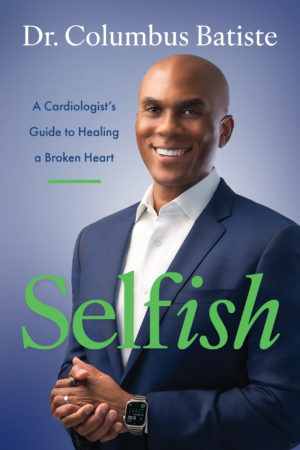
That is why exercise is one of the most important pillars of what I call the SELFISH
lifestyle—Spirituality, Exercise, Love, Food, Intimacy, Sleep, and Humor.
It is not selfish in a bad way. It is SELFISH because you cannot pour from an empty cup. You
cannot serve your family, your community, or your purpose if your body is breaking down.
So this month, do not make exercise complicated.
Make it consistent.
Three Ways to Commit to Exercise This Month
1. Walk 10 minutes after your biggest meal.
This is simple, powerful, and easy to do. A short walk after eating helps blood sugar, digestion,
blood flow, and blood pressure. Do it after dinner, lunch, or breakfast. Start with 10 minutes. Let
consistency become the victory.
2. Strength train twice a week.
You do not need a gym to start. Use resistance bands, light dumbbells, wall pushups, chair
squats, step-ups, or just your body weight. Muscle is medicine. Every rep is a message to your
bones, joints, and metabolism:
Stay strong.
3. Schedule exercise like an appointment with your future self.
Put it on the calendar. Protect it. Treat it like a meeting you cannot miss. Because it is a
meeting—with your heart, your hormones, your bones, your brain, and the woman you are
becoming.
This month, do not chase perfection.
Choose movement.
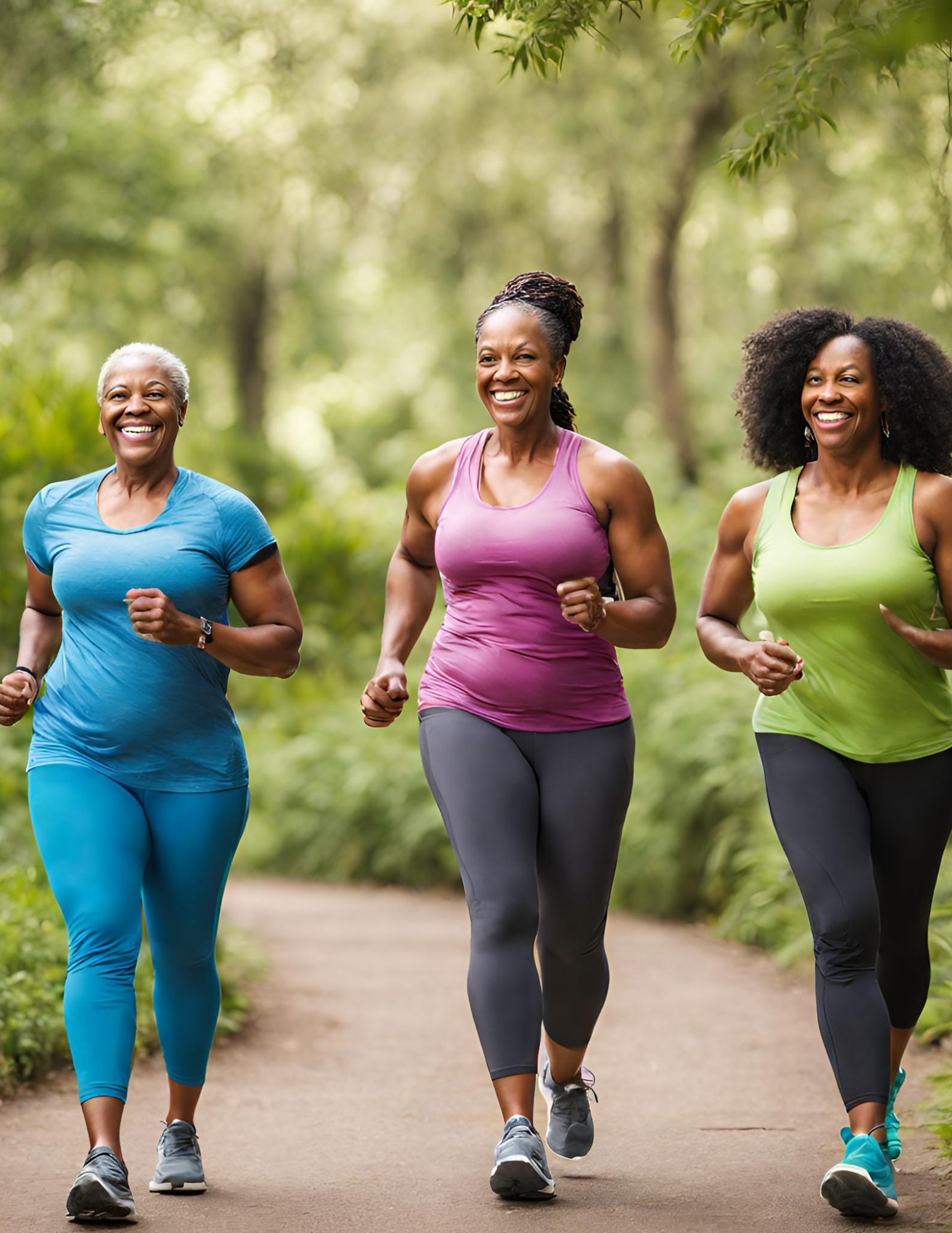
Start where you are. Walk. Lift. Stretch. Dance. Breathe. Sweat. Repeat.
Your heart needs it.
Your bones are listening.
Your brain deserves it.
Your future is waiting.
Call to Action
Commit to moving at least 20 minutes a day, 5 days a week this month—and invite one person
you love to join you.
Because when we move together, families get healthier, communities get stronger, and hearts get
protected.
Annotated References
1. American Heart Association Physical Activity Recommendations. Supports at least
150 minutes per week of moderate aerobic activity plus two days of strength training for
heart health.
2. University of Rochester Medical Center: Exercise During Menopause. Reviews how
exercise supports weight, bone health, sleep, mood, and heart disease risk during
menopause.
3. Journal of the American College of Cardiology, 2024. Shows that women can gain
major survival and heart benefits from regular physical activity—even at lower exercise
volumes.